
Vibrating Screen Bearings: Common Wear Causes and Replacement Guide
Vibrating screens operate under extreme conditions: high acceleration, constant vibration, heavy loads, and often dusty environments. The bearings inside these machines endure tremendous stress and are among the first components to fail. Understanding why vibrating screen bearings wear out and knowing when and how to replace them can prevent costly downtime and extend equipment life. This article explores the primary causes of bearing wear in vibrating screens and provides a step-by-step replacement guide, highlighting how Haiside bearings deliver the reliability needed for these demanding applications.
Common Wear Causes of Vibrating Screen Bearings
Bearings in vibrating screens fail prematurely due to a combination of mechanical, environmental, and operational factors. Identifying the root cause is essential for implementing effective countermeasures.
1. Contamination and Abrasive Particles
Dust, sand, and fine particles penetrate bearing seals over time. Once inside, these contaminants act as abrasives, wearing down raceways and rolling elements. Typical signs include pitting, scoring, and increased clearance. Proper sealing and regular lubrication changes are critical, but even with good practices, contamination remains the most common cause of premature bearing failure in vibrating screens.
2. Inadequate or Improper Lubrication
Vibrating screen bearings require a specific grease type and relubrication interval. Too little grease leads to metal-to-metal contact; too much grease causes overheating and churning. Using the wrong grease (e.g., one without extreme-pressure additives) accelerates wear. Over-lubrication can also force grease past seals, inviting contamination.
3. Misalignment and Bearing Housing Defects
If the bearing housing or shaft is out of alignment, uneven load distribution occurs. The vibration amplifies this misalignment, causing localized stress concentrations that lead to raceway flaking and cage fatigue. Housing ovality or damage from previous bearing failures must be corrected during replacement.
4. Excessive Dynamic Loads
Vibrating screens generate high g-force oscillations. Bearings must handle both radial loads from the screen deck weight and axial loads from the vibrating mechanism. Overloading the screen (e.g., exceeding design capacity) or unbalanced rotation dramatically increases bearing stress, causing rapid fatigue spalling.
5. Cage Wear and Fatigue
The cage (retainer) in vibrating screen bearings experiences repeated acceleration and deceleration. Under high vibration, the cage can flex and wear against the rolling elements. This produces metallic debris that further damages the bearing. Special heavy-duty cage designs are required for vibration applications.
Signs of Bearing Failure – When to Replace
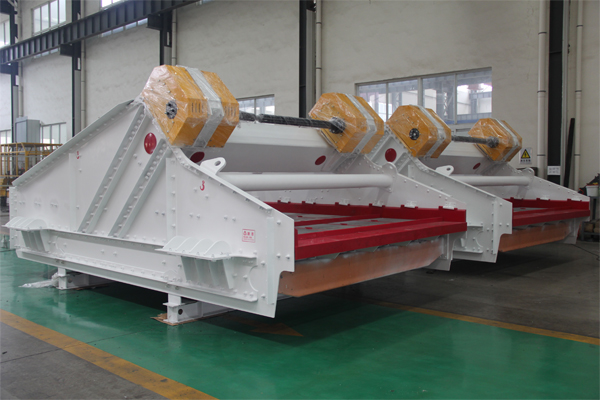
Early detection of bearing wear allows planned replacement instead of emergency shutdown. Watch for these indicators:
- Unusual noise: Grinding, rumbling, or knocking sounds during operation indicate raceway damage or cage wear.
- Increased vibration amplitude: A failing bearing alters the screen’s vibration signature. Use a vibration analyzer to monitor changes.
- Localized heat buildup: Infrared temperature readings showing a bearing 20°C hotter than adjacent bearings suggest advanced wear or lubrication failure.
- Visible grease discoloration: Dark, metallic-tinged grease on seals signals internal deterioration.
- Reduced screen performance: Slower material movement, uneven screening, or increased power draw can stem from bearing friction.
Any combination of these symptoms warrants immediate inspection. Running a failed bearing can cause catastrophic damage to the shaft, housing, and even the screen frame.
Replacement Guide for Vibrating Screen Bearings
Proper replacement procedure ensures new bearings achieve their full service life. Follow these steps:
Step 1 – Safe Shutdown and Lockout
Disconnect power, lock out the electrical panel, and verify zero energy. Allow the screen to cool completely.
Step 2 – Remove Old Bearing
Using a hydraulic puller or bearing splitter, extract the failed bearing from the shaft or housing. Never hammer the bearing directly – this can damage the shaft or housing surfaces. Inspect the shaft journal for scoring, fretting, or diameter reduction. If damaged, repair or replace the shaft before installing a new bearing.
Step 3 – Clean and Inspect Housing
Thoroughly clean the bearing housing bore and oil grooves. Check for ovality, cracks, or burrs. Remove any rust or corrosion. Apply a light coat of anti-seize compound to the housing bore if recommended by the manufacturer.
Step 4 – Select the Correct Replacement Bearing
For vibrating screens, use bearings specifically designed for vibratory applications. Haiside offers a range of spherical roller bearings with optimized internal geometry, heavy-duty cages, and enhanced clearance classes (e.g., C4 or higher). Verify the exact dimensions: bore diameter, outer diameter, width, and internal clearance. Always match or exceed the original equipment specification.
Step 5 – Install New Bearing Correctly
Heat the bearing evenly (e.g., induction heater or oil bath to 110-120°C) and slide it onto the shaft. Do not apply heat directly with a torch. Seat the bearing fully against the shoulder or spacer. For housing-fit bearings, press or slide into place using a mounting sleeve. Ensure proper alignment before tightening any set screws or clamping rings.
Step 6 – Lubricate and Seal
Fill the bearing and housing cavity with the recommended grease quantity (typically 30-50% of free space initially, then add relubrication amount after running). Install new seals or shields. Use high-quality grease with EP additives and vibration stability, such as those containing lithium complex or polyurea thickeners.
Step 7 – Run-In and Check
Operate the screen under no load for 30 minutes. Monitor temperature rise – a slight increase is normal, but sudden jumps indicate problems. Check vibration amplitude and listen for noise. Then gradually introduce material load. Re-tighten bolted connections after initial run-in period (typically 4-8 hours).
Why Choose Haiside Bearings for Your Vibrating Screen
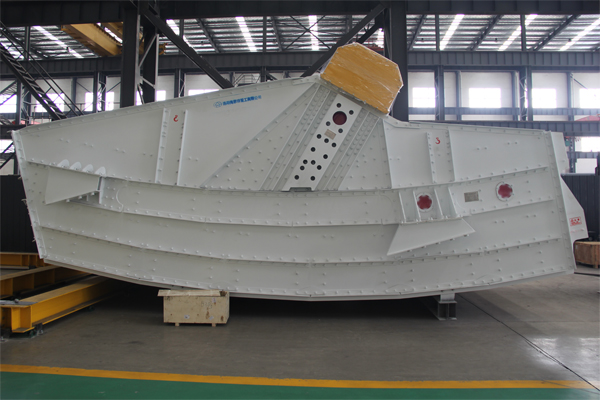
Haiside has developed a specialized product line for vibrating screen applications, incorporating design features that directly address the common wear causes listed above:
- Enhanced clearance: Standard C4 internal clearance accommodates thermal expansion and deflection, preventing preload under high vibration.
- Vibration-resistant cage: Machined brass or steel reinforced polyamide cages withstand repeated acceleration without fatigue.
- Optimized roller profile: Reduced edge stress minimizes premature spalling under misalignment conditions.
- Superior sealing options: Contact seals with labyrinth barriers keep contaminants out while retaining grease.
- Stringent quality control: Every Haiside bearing undergoes vibration testing and dimensional verification before shipping.
By choosing Haiside, you reduce replacement frequency and maintenance costs. Many screen operators report a 30-50% increase in bearing service life after switching to Haiside vibratory series bearings, based on field feedback and documented performance comparisons.
Frequently Asked Questions
How often should vibrating screen bearings be replaced?
There is no universal interval – it depends on operating conditions, lubrication, and load. Typical service life ranges from 6 to 18 months in heavy-duty applications. Implement condition monitoring to replace bearings based on actual wear rather than a fixed schedule.
Can I use standard spherical roller bearings in a vibrating screen?
Standard bearings lack the reinforced cage, optimized internal geometry, and special clearance required. They will fail prematurely. Always use bearings labeled for vibratory applications.
What is the right grease for vibrating screen bearings?
Use a lithium complex or polyurea EP grease with good mechanical stability and rust inhibitors. The grease should have a NLGI grade 2 consistency and be suitable for high-frequency vibration. Consult your bearing supplier for specific recommendations.
Should I replace bearings in pairs?
Yes, on dual-bearing screen designs, always replace both bearings on the same shaft simultaneously. Mixing old and new bearings creates load imbalance and shortens the life of the new bearing.