
Operating Cost Analysis: Linear Vibrating Screens vs. Other Separators – A Practical Guide for Industrial Buyers
In industrial material processing, separation efficiency is only one side of the equation. For plant managers, procurement engineers, and project investors, the more decisive factor often lies in long-term operating costs. Equipment that appears affordable at the purchasing stage may generate substantial energy consumption, maintenance expenses, and downtime losses over time. Therefore, understanding the operating cost structure of different separation technologies is essential before making a final investment decision.
This article provides a comprehensive operating cost comparison between linear vibrating screens and other commonly used separation systems, including circular vibrating screens, rotary separators, trommel screens, and air classifiers. By examining energy usage, wear parts, maintenance frequency, labor requirements, and lifespan performance, we aim to help industrial buyers make a financially sound decision.
Linear Vibrating Screens and Competing Separation Technologies
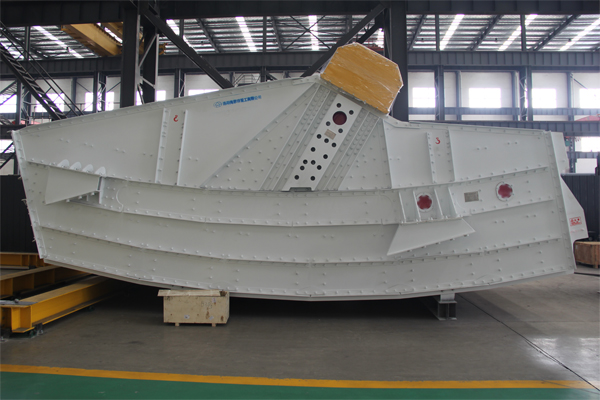
A linear vibrating screen operates by generating linear motion through dual vibration motors or an exciter system. Material moves forward in a straight path while being stratified and screened through mesh layers. This structure is widely used in mining, aggregates, metallurgy, chemical processing, recycling, and food industries because of its stable performance and high throughput capacity.
In contrast, circular vibrating screens generate elliptical or circular motion and are typically used in coarse material classification. Rotary separators rely on centrifugal force and are more common in fine powder screening. Trommel screens rotate cylindrical drums to separate materials based on size and are often applied in waste management and compost processing. Air classifiers use airflow dynamics to separate particles by weight and density rather than size.
While each system serves a specific technical purpose, the economic performance over the equipment lifecycle varies significantly.
Initial Investment vs. Total Lifecycle Cost
When comparing equipment costs, many buyers focus primarily on the initial purchase price. Linear vibrating screens generally offer a competitive upfront cost due to their relatively simple mechanical structure. The absence of complex rotating drums or high-speed centrifugal components reduces manufacturing complexity.
However, total lifecycle cost is influenced by several ongoing factors:
Energy consumption
Wear and spare parts replacement
Maintenance labor
Downtime losses
Operational efficiency
When these variables are calculated over a five- to ten-year period, the cost gap between separation technologies becomes more evident.
Energy Consumption Analysis
Energy usage represents one of the most significant operational expenses in continuous production environments. Linear vibrating screens typically operate with dual motors that provide controlled amplitude and frequency. Because the motion path is direct and material moves efficiently along the deck, energy utilization remains relatively stable and predictable.
Circular screens may consume slightly less power in certain coarse screening applications; however, their motion pattern can result in longer material retention time, reducing throughput efficiency. Trommel screens, due to their rotational mass and mechanical resistance, often require higher torque motors, especially when handling wet or sticky materials.
Air classifiers rely heavily on powerful blowers and airflow systems. In high-capacity installations, energy consumption can be considerably higher than mechanical screening systems, particularly when continuous airflow adjustment is required.
In most mid-to-large scale industrial operations, linear vibrating screens demonstrate a balanced ratio between throughput capacity and power consumption, contributing to lower energy cost per ton processed.
Maintenance and Wear Part Expenses
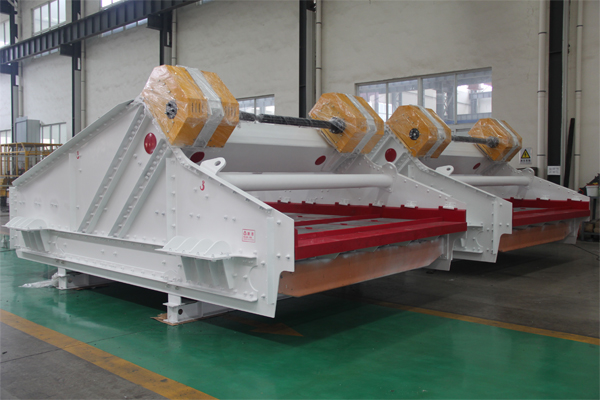
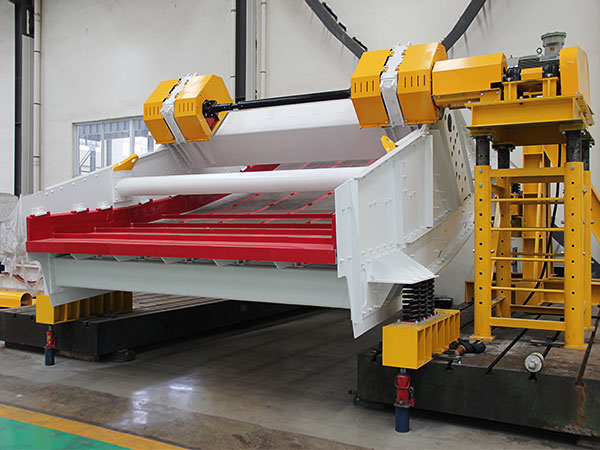
Maintenance cost is often underestimated during procurement decisions. The mechanical simplicity of linear vibrating screens results in fewer critical wear components. The primary wear parts include screen mesh, vibration motors, springs, and occasionally bearings. These components are relatively easy to access and replace, minimizing downtime.
Rotary separators and trommel systems involve rotating drums, support rollers, and drive chains. Over time, mechanical wear on these components may require more complex servicing procedures. Additionally, misalignment issues can increase maintenance frequency.
Air classifiers involve blower systems, ducting, and filtration components that demand periodic cleaning and inspection. Dust accumulation and airflow imbalance can increase operational complexity and service cost.
From a maintenance perspective, linear vibrating screens typically offer predictable service intervals and lower spare part expenditure over extended operation cycles.
Downtime and Production Loss Considerations
Unplanned downtime can cost significantly more than direct maintenance expenses. In industries such as mining or aggregate production, every hour of interruption may result in substantial revenue loss.
Linear vibrating screens are known for their structural durability and stable vibration mechanism. When designed properly with reinforced side plates and optimized vibration parameters, they can operate continuously under heavy loads with minimal interruption.
Trommel screens processing wet or adhesive materials are more susceptible to clogging, which can require frequent cleaning shutdowns. Air classifiers may experience performance instability due to airflow fluctuations or dust system blockages.
A reliable separation system with consistent output directly contributes to higher plant utilization rates and overall cost efficiency.
Labor and Operational Complexity
Operational simplicity also influences cost. Linear vibrating screens generally require minimal operator intervention once properly calibrated. The vibration parameters are adjustable, but day-to-day supervision is limited.
Air classifiers and advanced separation systems often require more skilled monitoring, particularly when airflow rates or classification thresholds need adjustment. This increases labor costs and training requirements.
Lower operational complexity translates into reduced long-term staffing expenses and fewer human-related operational risks.
Lifespan and Structural Durability
The lifespan of industrial screening equipment significantly affects amortization cost. Linear vibrating screens built with high-strength steel structures and properly designed vibration isolation systems can achieve extended service life even in abrasive environments.
While circular screens and trommel systems also offer durable performance, the continuous rotational stress and mechanical friction may accelerate wear in high-capacity applications.
Over a long operational timeline, equipment durability directly reduces replacement frequency and capital reinvestment pressure.
Cost per Ton Processed: A Practical Benchmark
When evaluating separation equipment, cost per ton processed provides a realistic financial benchmark. This metric integrates energy usage, maintenance, downtime, and equipment depreciation.
In many bulk material handling scenarios, linear vibrating screens achieve competitive cost-per-ton performance due to:
Efficient linear material movement
Moderate energy demand
Simplified maintenance structure
Stable long-term operation
Although other separators may be technically necessary for specialized particle classification, linear vibrating screens often represent the most economical solution for general size-based separation.
Making the Right Investment Decision
Selecting the right separation system should involve both technical suitability and financial analysis. Material characteristics, moisture content, particle size distribution, and required output capacity must be evaluated first. Once technical feasibility is confirmed, lifecycle operating cost becomes the decisive factor.
For industries focused on bulk material processing with high daily throughput, linear vibrating screens frequently deliver the most balanced performance in terms of operational cost control and mechanical reliability.
Final Thoughts: Efficiency Beyond the Purchase Price
In modern industrial operations, cost control does not end at equipment procurement. Long-term efficiency, stable output, and manageable maintenance define the real value of separation technology.
A well-designed linear vibrating screen can provide reliable screening performance while maintaining lower operational expenses over time. For plant owners seeking to improve profitability and reduce hidden costs, a detailed operating cost comparison should be part of every equipment selection process.
If you are planning to upgrade your screening system or optimize your current production line, our engineering team can provide customized operating cost assessments tailored to your material type and capacity requirements. Contact us today to receive a detailed technical proposal and discover how the right screening solution can improve both efficiency and profitability.