
How Exciter Power Affects Screening Efficiency: Insights from a Vibrating Screen Manufacturer
In mining, quarrying, and aggregate processing, screening efficiency directly impacts production output and operating costs. While many operators focus on screen size or mesh selection, exciter power is often underestimated.
From a vibrating screen manufacturer’s perspective, exciter power determines how effectively vibration energy is transferred to the material. When properly matched, it improves separation accuracy, stabilizes throughput, and extends equipment service life. When misapplied, it leads to poor screening results, excessive wear, and unnecessary energy consumption.
What Is Exciter Power in a Vibrating Screen?
The exciter is the vibration-generating unit of a vibrating screen. Driven by an electric motor, it creates controlled oscillation through eccentric shafts or blocks. Exciter power, typically expressed in kilowatts (kW), defines the amount of energy available to generate vibration force.
In equipment design, exciter power is selected together with:
Vibration frequency
Amplitude
Screen mass and structure
Material load conditions
It is not an isolated parameter, but part of a complete vibration system.
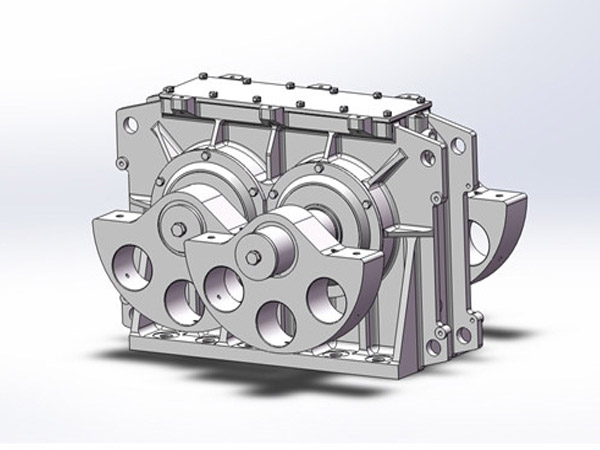
How Exciter Power Influences Screening Efficiency
Material Stratification and Separation Accuracy
Effective screening relies on proper material stratification. Fine particles must move downward to the screen surface, while coarse particles travel toward discharge.
Low exciter power results in insufficient material lift and poor stratification
Fine particles remain trapped, reducing screening efficiency
Optimized exciter power promotes uniform material movement and improves separation accuracy across the entire screen deck
Stable vibration is more important than aggressive vibration.
Throughput Capacity and Material Flow Control
Exciter power directly affects how material moves across the screen.
Moderate power levels ensure continuous flow and adequate screening time
Excessive power may cause material to bounce, reducing effective contact with the screen surface
Higher installed power does not always translate into higher effective throughput.
Screen Deck Wear and Equipment Durability
From a manufacturing standpoint, excessive exciter power creates unnecessary mechanical stress.
Accelerated wear of screen panels and liners
Increased bearing and shaft fatigue
Higher risk of structural damage over long-term operation
Correct exciter power improves screening efficiency while protecting the screen structure.
Energy Consumption and Operating Cost
Increasing exciter power increases energy consumption, but not always performance.
By optimizing exciter power during the design stage, manufacturers can:
Reduce installed motor power
Lower electricity costs
Improve overall equipment efficiency
Energy-efficient vibration design is a key consideration for modern screening systems.
How Manufacturers Optimize Exciter Power Selection
Experienced vibrating screen manufacturers select exciter power based on real operating conditions rather than generic formulas. Key factors include:
Material density, size distribution, and moisture content
Screen dimensions, deck layout, and inclination angle
Required throughput and separation accuracy
Continuous versus intermittent operation
Instead of oversizing, professional design focuses on vibration efficiency and long-term reliability.

Common Exciter Power Selection Mistakes
Oversizing for “Safety Margin”
Oversized exciters often increase wear and energy consumption without improving screening results.
Ignoring Material Variability
Material characteristics change over time. Fixed power settings may not suit all operating conditions.
Treating Exciter Power as an Independent Parameter
Exciter power must be matched with frequency, amplitude, and structural design to be effective.
Conclusion
Exciter power plays a critical role in vibrating screen efficiency, throughput stability, equipment durability, and energy consumption. From a manufacturer’s perspective, the best results come from precise matching—not maximum power.
For operators seeking reliable screening performance, working with a manufacturer that understands exciter power optimization can significantly improve productivity and reduce long-term operating costs.