
How to Troubleshoot Vibrating Screen Exciter Noise: A Complete, Field-Proven Guide for Maintenance Teams
In modern aggregate plants, mining operations, and bulk material processing lines, vibrating screens are essential for classification efficiency and product quality. When exciter noise appears, many operators initially treat it as a minor issue. In reality, abnormal noise from a vibrating screen exciter often serves as an early warning sign of mechanical failure. If maintenance teams fail to address it in time, the issue can escalate into severe equipment damage, unplanned downtime, and increased operating costs.
This article provides a deeper and more practical guide on how to troubleshoot vibrating screen exciter noise. It is written from a real-world operational perspective, helping engineers, plant managers, and maintenance personnel identify root causes quickly and take effective corrective actions.
Why Exciter Noise Should Never Be Ignored
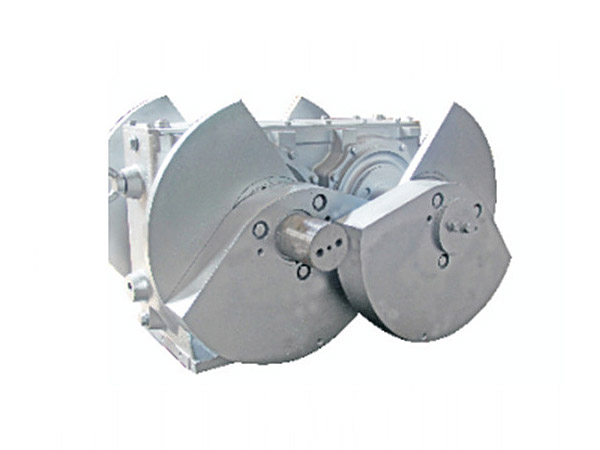
Every vibrating screen exciter operates under high load, high frequency, and continuous cyclic stress. Under normal conditions, the exciter produces a stable and rhythmic mechanical sound.
When abnormal noise appears, it typically indicates one or more of the following problems:
Internal component wear
Lubrication system failure
Structural looseness
Dynamic imbalance
Installation or alignment errors
Ignoring these signals often leads to secondary failures. For example, a damaged bearing may eventually cause shaft deformation, while loose bolts can result in structural cracks. Therefore, timely troubleshooting is not just maintenance—it is risk prevention.
Step 1: Accurately Identify the Type of Noise
Before performing any disassembly or replacement, operators should first identify the characteristics of the noise. Different sounds often correspond to specific faults.
Continuous grinding sound usually indicates bearing wear or lubrication contamination
Intermittent knocking sound often points to loose fasteners or gear backlash
Sharp squealing noise may result from insufficient lubrication or seal failure
Irregular vibration noise can suggest imbalance or internal component damage
Experienced technicians often combine auditory inspection with vibration analysis tools to improve diagnostic accuracy. This step reduces unnecessary maintenance and ensures targeted troubleshooting.
Step 2: Check the Lubrication System in Detail
Lubrication failure is one of the most common causes of exciter noise. However, many operators only check oil levels without evaluating oil condition.
A complete lubrication inspection should include:
Verifying whether the oil level meets manufacturer specifications
Checking oil viscosity and whether it matches operating temperature conditions
Inspecting for contamination such as dust, water, or metal particles
Confirming that lubrication intervals are properly followed
If the lubricant appears dark, milky, or contains debris, the system likely suffers from contamination or degradation. In such cases, flushing the lubrication system and replacing it with high-quality oil is necessary.
A well-maintained lubrication system reduces friction, minimizes wear, and significantly lowers noise levels.

Step 3: Evaluate Bearing Health with Multiple Indicators
Bearings are the most vulnerable components in a vibrating screen exciter. A single damaged bearing can generate noticeable noise and quickly affect the entire system.
Maintenance teams should evaluate bearing condition using:
Temperature monitoring: A sudden temperature rise often signals internal damage
Vibration analysis: Abnormal frequency patterns indicate bearing defects
Audible inspection: Grinding or humming sounds suggest wear or pitting
If a bearing shows any of these symptoms, operators should replace it promptly. Continuing operation with a faulty bearing increases the risk of shaft damage and gear misalignment.
Step 4: Inspect Fasteners and Structural Stability
Continuous vibration can gradually loosen bolts and fasteners, especially in high-capacity screening systems. Loose components often produce knocking or rattling sounds.
Technicians should:
Check all exciter mounting bolts and screen body connections
Use calibrated torque tools to ensure proper tightening
Inspect weld seams and support structures for cracks or fatigue
A stable structure not only eliminates noise but also ensures consistent vibration amplitude and screening efficiency.
Step 5: Verify Gear Condition and Shaft Alignment
In gear-driven exciters, improper gear meshing or shaft misalignment can create abnormal noise and uneven load distribution.
A thorough inspection includes:
Checking gear tooth wear patterns and surface condition
Ensuring proper backlash and contact alignment
Measuring shaft alignment using precision tools
If technicians detect uneven wear or misalignment, they should correct alignment immediately or replace damaged gears. Proper alignment reduces mechanical stress and extends component lifespan.

Step 6: Assess Dynamic Balance and Counterweight Settings
Exciters rely on precisely configured counterweights to generate controlled vibration. Any imbalance can lead to irregular motion and increased noise.
Operators should:
Inspect counterweights for looseness, wear, or displacement
Confirm that weight configuration matches design specifications
Perform dynamic balancing if abnormal vibration persists
A balanced exciter ensures smooth operation, reduces stress on components, and minimizes noise emissions.
Step 7: Perform Internal Inspection When Necessary
If external checks do not resolve the issue, internal inspection becomes necessary. This step requires partial or complete disassembly of the exciter.
During internal inspection, technicians should:
Examine gears for pitting, cracking, or excessive wear
Measure shaft tolerances and check for deformation
Inspect housing for internal damage or misalignment
Although this process requires more time, it provides a definitive diagnosis and prevents repeated failures.
Preventive Maintenance: The Key to Long-Term Noise Control

Effective troubleshooting should always be combined with preventive maintenance. Companies that rely solely on reactive repairs often face higher costs and lower equipment reliability.
Establish a Predictive Maintenance Plan
Using vibration sensors and temperature monitoring systems allows operators to detect early signs of failure and schedule maintenance proactively.
Standardize Lubrication Management
Selecting the correct lubricant and maintaining proper intervals significantly reduces wear and noise.
Train Maintenance Personnel
Well-trained technicians can identify subtle changes in sound and vibration, enabling faster and more accurate diagnosis.
Use High-Quality Components
Investing in premium bearings, gears, and seals improves durability and reduces the frequency of noise-related issues.
Practical Tips from Field Experience
Operators should always compare current noise levels with baseline data recorded during normal operation
Maintenance teams should avoid mixing different lubricant types, as incompatibility can accelerate wear
Engineers should monitor load conditions, as overloading often leads to abnormal vibration and noise
Plant managers should document every maintenance action to build a reliable troubleshooting database
These practical measures help improve long-term operational efficiency and reduce unexpected failures.
Conclusion
Troubleshooting vibrating screen exciter noise requires a systematic and detail-oriented approach. From lubrication and bearings to alignment and balance, each step plays a critical role in identifying the root cause.
Companies that treat exciter noise as an early warning signal rather than a minor inconvenience can significantly reduce downtime, extend equipment life, and improve overall productivity. By combining structured troubleshooting with preventive maintenance, businesses can ensure stable, efficient, and quiet operation of their vibrating screens.
For industrial operations aiming to optimize performance and reduce maintenance costs, mastering how to troubleshoot vibrating screen exciter noise is not optional—it is essential for long-term success.