
Benefits of Using a High-Frequency Vibrating Screen Exciter in Industrial Screening
In industries such as mining, quarrying, construction materials, and chemical processing, efficient material screening is a critical step that directly affects product quality, production capacity, and operating costs. As material specifications become more demanding—especially for fine and ultra-fine particles—traditional low-frequency screening methods often struggle to deliver stable and accurate results.
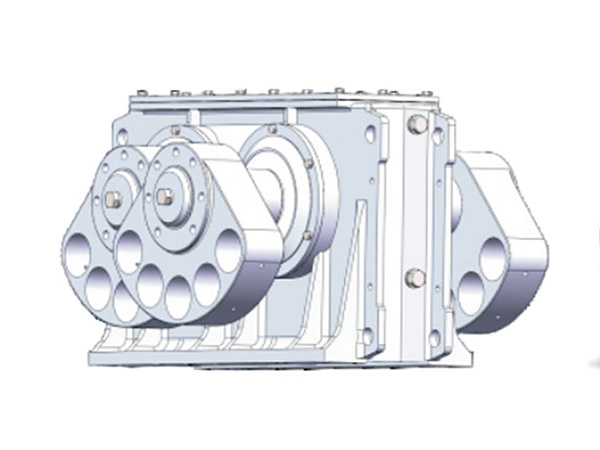
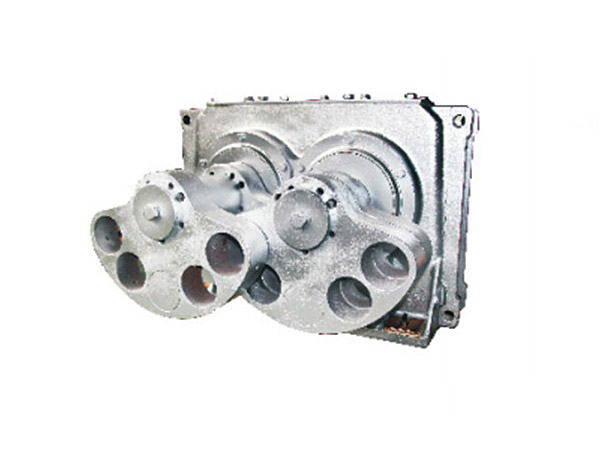
This is where a high-frequency vibrating screen exciter becomes a key performance-enhancing component. By providing controlled, high-speed vibration, it significantly improves screening accuracy, reduces downtime, and increases overall plant efficiency. Below, we explore the major advantages of using a high-frequency vibrating screen exciter in modern industrial applications.
Benefits of Using a High-Frequency Vibrating Screen Exciter
1. Significantly Improved Screening Efficiency
One of the most notable benefits of a high-frequency vibrating screen exciter is its ability to dramatically enhance screening efficiency. The rapid vibration frequency creates intense particle movement across the screen surface, allowing fine materials to pass through the mesh more easily.
Compared with conventional exciters, high-frequency units are especially effective when handling:
Fine sand and mineral concentrates
Slurries and wet materials
Ultra-fine powders used in chemical or industrial processing
By accelerating particle separation, plants can achieve higher throughput without sacrificing accuracy, resulting in more consistent product grading and improved downstream performance.
2. Better Material Stratification and Reduced Blinding
High-frequency vibration promotes effective material stratification. Smaller particles are driven downward toward the screen openings, while larger particles remain on the surface and move toward discharge. This continuous separation process minimizes material layering and reduces common issues such as screen blinding and clogging.
For operations processing ores, aggregates, or high-moisture materials, improved stratification means:
Fewer interruptions during operation
More stable screening performance
Reduced need for manual cleaning or intervention
This contributes to smoother plant operation and higher overall reliability.
3. Compact Structure with High Output Capacity
Another advantage of high-frequency vibrating screen exciters is their ability to deliver strong screening performance with a relatively compact design. Because the exciter increases screening efficiency, the required screen area can often be reduced without compromising output.
This is particularly beneficial for:
Retrofit projects in existing plants
Production lines with limited installation space
Mobile or modular screening systems
A smaller footprint combined with high productivity allows plant designers greater flexibility while maintaining or increasing processing capacity.

4. Lower Wear and Maintenance Requirements
Optimized vibration characteristics help reduce unnecessary impact and friction between materials and the screen surface. As a result, key components such as screen meshes, bearings, and structural parts experience less mechanical stress.
In practical terms, this means:
Longer service life of screen panels
Reduced frequency of maintenance shutdowns
Lower spare parts consumption over time
For plant operators, these benefits translate directly into lower maintenance costs and improved equipment availability.
5. High Adaptability for Different Materials and Processes
High-frequency vibrating screen exciters are highly adjustable and can be fine-tuned according to material properties such as particle size, density, and moisture content. This makes them suitable for a wide range of applications, including:
Coarse and fine aggregates
Metallic and non-metallic ores
Industrial minerals and powders
With proper adjustment, one screening system can handle multiple material types, reducing the need for additional equipment and improving production flexibility.
6. Energy-Efficient Operation
Although high-frequency exciters operate at higher speeds, they are often more energy-efficient than traditional systems. By improving material movement and shortening screening time, less energy is wasted on repeated or ineffective separation.
Over long-term operation, this leads to:
Lower energy consumption per ton processed
Reduced operating costs
Improved sustainability performance
For companies focused on cost control and environmental responsibility, energy efficiency is an increasingly important consideration.
Conclusion
A high-frequency vibrating screen exciter is more than just a component—it is a performance upgrade for the entire screening system. By enhancing separation efficiency, reducing maintenance demands, and supporting flexible material processing, it helps industrial operations achieve higher productivity with lower operational risk.
For mining, construction, and industrial processing plants seeking stable output and long-term cost savings, investing in high-frequency vibrating screen exciter technology is a practical and future-ready solution.