
Vibrating Screen Exciter Guide: Design, Key Components, and Performance Optimization Tips
The vibrating screen exciter is the core of any screening system. It generates the vibration force needed to move materials across the screen surface, directly affecting efficiency, throughput, and machine lifespan. A high-quality exciter ensures stable performance, reduced maintenance costs, and improved product quality.
This guide covers key components, structural design considerations, and optimization strategies to help engineers, plant managers, and buyers make informed decisions.
What Is a Vibrating Screen Exciter?
A vibrating screen exciter (also called an exciter unit) is a mechanical device that converts rotational energy into oscillations required for effective material screening. It is widely used in:
Mining and mineral processing
Aggregates and construction materials
Coal preparation
Metallurgy
Chemical and recycling industries
A well-designed exciter ensures stable vibration amplitude, balanced force output, and consistent screening efficiency.
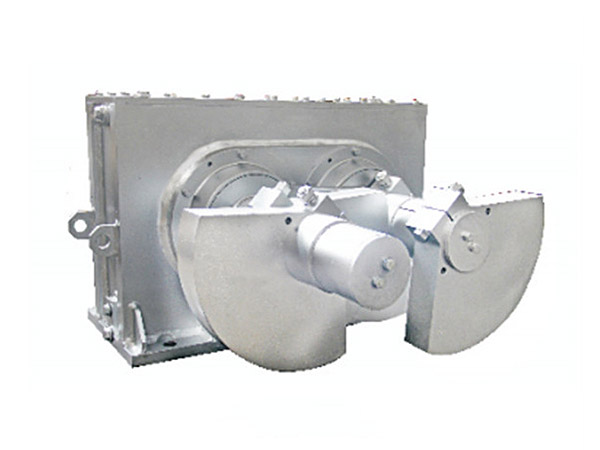
Key Components of a Vibrating Screen Exciter
Understanding core components is essential for selection, operation, and maintenance:
1. Housing / Exciter Body
Supports bearings, shafts, and gears
Made from high-strength steel or cast alloy
Precision machining ensures stable vibration
2. Shaft(s)
Single or dual shaft depending on design
Transmits rotational force
Heat-treated to withstand heavy cyclic loads
3. Bearings
Heavy-duty spherical or cylindrical roller bearings
Designed for high-speed rotation and vibration stress
Bearing quality directly impacts exciter lifespan
4. Gears
Synchronize shaft motion
Ensure accurate vibration amplitude and direction
5. Lubrication System
Oil or grease-based depending on design
Prevents premature wear and overheating
Critical for long-term reliability
Structural Design Factors Affecting Exciter Performance
Several structural elements influence exciter performance. Optimizing these ensures higher efficiency, lower downtime, and longer equipment life.
Exciter Type Selection
Gear-type exciter: Stable force output, ideal for heavy-duty applications
Unbalance exciter: Simple structure, suitable for medium-duty tasks
Direct-drive exciter: High efficiency, reduced energy consumption
Tip: Choose based on load conditions, screen size, and required amplitude.
Vibration Frequency & Amplitude
High frequency → fine material screening
High amplitude → coarse material separation
Proper tuning maximizes stratification and throughput
Bearing Arrangement
Misalignment or undersized bearings cause overheating
Optimized arrangement improves stability and reduces noise
Structural Rigidity
A rigid housing minimizes energy loss
Poor rigidity leads to force leakage and stress on the screen frame
Cooling & Lubrication Design
Temperature control prevents bearing failure
Proper oil circulation ensures reliable operation in harsh conditions
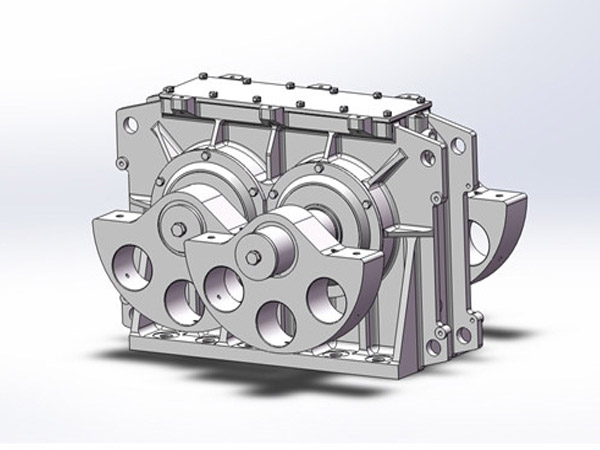
How Exciter Design Influences Screening Efficiency
The exciter’s structure directly affects:
Material motion: Linear, circular, or elliptical motion changes stratification
Processing capacity: Stable vibration ensures uniform throughput
Energy consumption: Efficient design reduces vibration losses
Machine lifespan: Balanced excitation lowers stress on screen decks and weld points
Tips to Optimize Vibrating Screen Exciter Efficiency
1. Match Excitation Force to Material
Adjust amplitude and frequency according to material type (rock, coal, sand, fine minerals)
Avoid over-excitation to save energy and reduce wear
2. Use High-Quality Bearings and Gears
Premium bearings reduce downtime
Precision gears maintain synchronized vibration force
3. Ensure Robust Lubrication
Automatic or high-temperature lubrication is ideal for mining and industrial environments
4. Regular Dynamic Balancing
Prevents vibration deviation
Improves screening accuracy and reduces frame fatigue
5. Monitor Temperature and Noise
Early detection of abnormal heat or noise prevents failure
Supports predictive maintenance
Applications of High-Performance Exciters
Modern vibrating screen exciters are used in:
High-capacity mining screens
Dewatering screens
Banana screens
Linear motion screening machines
High-frequency industrial screens
These support stable operation under heavy loads, improving productivity and reliability.

FAQ: Vibrating Screen Exciters
Q1: What type of exciter is best for heavy-duty mining?
A: Gear-type exciters are ideal due to their stable force output and durability under high loads.
Q2: How often should vibrating screen exciters be maintained?
A: Regular inspections every 3–6 months are recommended, including lubrication checks, bearing condition, and dynamic balancing.
Q3: Can exciters handle high-temperature materials?
A: Yes, with proper cooling and high-temperature lubricants, exciters can operate reliably under extreme conditions.
Q4: What factors affect exciter lifespan?
A: Bearing quality, structural rigidity, proper lubrication, and vibration balancing directly impact longevity.
Conclusion
The design and quality of a vibrating screen exciter determine screening efficiency, equipment lifespan, and operational cost. By selecting durable components, optimizing structural design, and applying proper maintenance strategies, companies can:
Maximize output and throughput
Reduce downtime and operational costs
Maintain consistent product quality
Investing in high-performance vibrating screen exciters is essential for industrial operations seeking higher productivity and reliable screening performance.