
Vibrating Screen Exciter vs Vibration Motor: Which Is Better?
In modern industrial screening systems, vibration is the core driving force behind material separation efficiency. When engineers or procurement managers evaluate vibrating screen solutions, one key question always arises: should you choose a vibrating screen exciter or a vibration motor?
Vibrating Screen Exciter vs Vibration Motor: Which Is Better?
This is not a simple “which is better” question. The answer depends on application scenarios, material characteristics, operational goals, and long-term cost considerations. In this article, we will break down the differences between these two vibration sources in a clear and practical way, helping you make an informed decision that aligns with real production needs.
1. Understanding the Basics
Before comparing performance, it is important to clarify how each system works.
What Is a Vibrating Screen Exciter?
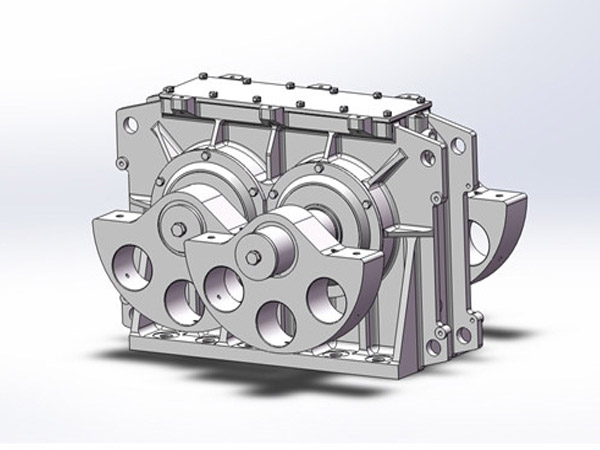
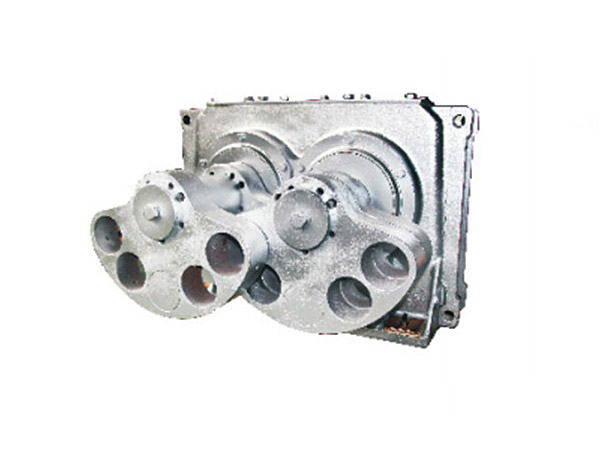
A vibrating screen exciter is a mechanical device that generates vibration through rotating shafts equipped with eccentric masses. It is typically driven by an external motor via a belt or coupling. The exciter converts rotational motion into a stable, high-intensity linear or circular vibration.
In most industrial applications, exciters are installed on large vibrating screens used in mining, aggregate processing, and heavy-duty material classification.
What Is a Vibration Motor?
A vibration motor is an integrated unit where the motor and eccentric weights are combined into a single compact device. When the motor rotates, the adjustable eccentric blocks generate centrifugal force, creating vibration directly.
Vibration motors are widely used in smaller equipment such as feeders, light-duty screens, and compact conveying systems.
2. Structural Differences and Design Logic
The fundamental difference lies in how vibration is generated and transmitted.
A vibrating screen exciter separates the power source (motor) and the vibration generator (exciter).
A vibration motor integrates both functions into one unit.
This design distinction leads to significant differences in performance, durability, and flexibility.
Exciters are engineered for high-load, continuous operation, while vibration motors are designed for simplicity and convenience.
3. Performance Comparison
3.1 Vibration Strength and Stability
A vibrating screen exciter can produce stronger and more stable vibration forces. Because it uses synchronized shafts and precise gear systems, it ensures consistent amplitude even under heavy loads.
A vibration motor, on the other hand, may experience amplitude fluctuations when handling large or uneven material loads. This limitation becomes more noticeable in high-capacity operations.
Conclusion:
For high-output screening lines, exciters deliver superior performance.
3.2 Processing Capacity
Exciters are typically used in large vibrating screens with higher throughput requirements. Industries such as mining, coal processing, and quarrying rely on exciters to maintain efficiency under continuous heavy-duty conditions.
Vibration motors are better suited for light to medium workloads, where compact design and ease of installation are more important than maximum capacity.
Conclusion:
Exciters are the preferred choice for large-scale production.
3.3 Energy Efficiency
At first glance, vibration motors appear more energy-efficient due to their compact structure. However, when evaluated in long-term industrial use, exciters often achieve better energy utilization per ton of processed material, especially in large systems.
This is because exciters can maintain optimal vibration without excessive energy loss under load.
Conclusion:
For small equipment, vibration motors are efficient. For large systems, exciters offer better overall efficiency.
3.4 Maintenance and Service Life
Maintenance is a critical factor in industrial decision-making.
Vibrating screen exciters are built with heavy-duty bearings, sealed lubrication systems, and robust housings. They are designed for long service life and can handle harsh environments.
Vibration motors are easier to install and replace but generally have a shorter lifespan in demanding conditions.
Exciters require more technical expertise for maintenance, but they compensate with durability and reliability.
Conclusion:
Exciters win in longevity; vibration motors win in simplicity.
3.5 Installation and Flexibility
Vibration motors are easier to install due to their integrated design. They can be mounted directly onto equipment without complex transmission systems.
Exciters require additional components such as motors, couplings, and support structures. Installation is more complex and requires precise alignment.
However, exciters offer more flexibility in adjusting vibration parameters for different materials and operating conditions.
Conclusion:
Vibration motors are easier to deploy, while exciters offer more customization.
4. Application Scenarios
Choosing between the two depends largely on where and how the equipment will be used.
When to Choose a Vibrating Screen Exciter
You should consider an exciter if your operation involves:
Large-scale mining or aggregate production
Heavy materials such as ores, rocks, or coal
Continuous, high-intensity screening
Strict requirements for screening accuracy and stability
In these scenarios, the exciter provides the strength and durability needed to maintain consistent output.
When to Choose a Vibration Motor
A vibration motor is a better option if your application includes:
Small or medium-sized screening equipment
Food processing, chemical, or pharmaceutical industries
Limited installation space
Lower budget constraints
In these cases, the simplicity and cost-effectiveness of vibration motors make them highly practical.

5. Cost Considerations
Initial investment and long-term operating costs must both be considered.
Vibration motors have lower upfront costs and are easier to replace.
Exciters require higher initial investment but offer longer service life and lower downtime costs.
From a lifecycle perspective, exciters often deliver better return on investment in large-scale operations.
6. Which Is Better?
The question “which is better” does not have a universal answer. Instead, the decision should be based on your specific production goals.
If you prioritize high capacity, durability, and stable performance, a vibrating screen exciter is the better choice.
If you need compact design, easy installation, and lower initial cost, a vibration motor may be more suitable.
In many industrial projects, companies even use both solutions in different stages of production, optimizing performance across the entire system.
7. Final Thoughts
A well-designed vibration system directly impacts screening efficiency, product quality, and operational costs. Choosing the right solution requires a clear understanding of your materials, throughput requirements, and working conditions.
Instead of asking “which is better,” a more practical question is:
“Which solution fits my application best?”
By aligning equipment selection with real operational needs, you can achieve higher efficiency, lower maintenance costs, and a more reliable production process.
If you are planning to upgrade your vibrating screen system or design a new production line, it is always advisable to consult experienced engineers or manufacturers. A tailored solution will always outperform a generic choice.