
Custom Vibrating Screen Exciter Price and Quotation: What You Need to Know
As industries such as mining, sand and gravel, chemicals, and metallurgy continuously increase their demands for screening efficiency and product quality, the importance of vibrating screen exciters is becoming increasingly prominent. As the core power source of the vibrating screen, it determines the amplitude, frequency, stability, and screening capacity of the entire machine.
For companies looking to purchase or upgrade equipment, the most pressing questions are: “How much does a customized vibrator cost?”, “Why are there such large differences in quotes from different manufacturers?”, and “How can I determine if a quote is reasonable?”
Custom Vibrating Screen Exciter Price and Quotation
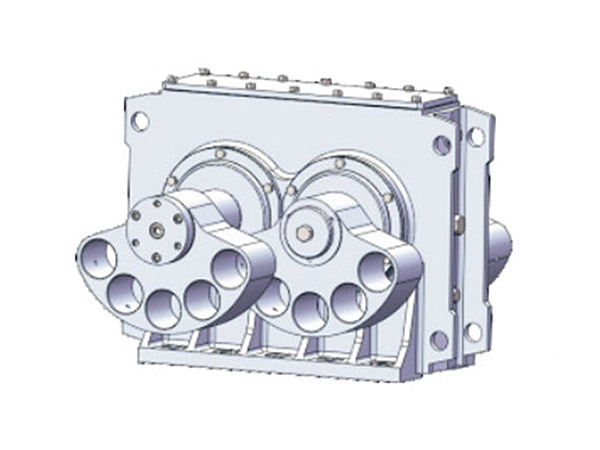
This article will provide a comprehensive analysis from a professional perspective, examining influencing factors, pricing logic, supplier comparison strategies, and common purchasing questions to help companies select equipment with lower risk and higher cost-effectiveness.
1. What Determines the Price of a Custom Vibrating Screen Exciter?
Factors influencing the price of custom vibrating screen exciters are often overlooked, but they determine the reliability and lifespan of the equipment.
1.1 Material Selection and Structural Strength
Vibrating screen exciters need to withstand prolonged high-frequency vibrations, therefore the grade of materials directly affects product cost:
High-strength forged steel housing: Enhanced fatigue resistance, suitable for heavy-duty screening
Wear-resistant alloy gears: Reduced wear, increased lifespan
High-quality bearings (imported/high-temperature resistant): Significantly reduces downtime probability
Upgraded sealing structure (labyrinth seal, double oil seal): Improved dustproof and waterproof ratings
If the equipment is used with wet materials, corrosive materials, or high-dust environments, manufacturers typically employ anti-corrosion coating + reinforced sealing design, naturally increasing the price.
1.2 Excitation Power and Motor Specifications
The power system is a key factor affecting cost, including:
Drive method: Electric / Hydraulic / Pneumatic
Power output: Higher power means higher cost
Continuous operation level (S1, S2, S3)
Energy efficiency level (e.g., IE2/IE3 high-efficiency motors)
High-end exciters typically use:
Custom-wound motors
High-precision eccentric blocks
Dynamically balanced optimized structures
While these solutions are more expensive, they are suitable for continuous 24-hour production lines.
1.3 Customization and Process Complexity
The screening conditions vary greatly among different companies; therefore, customization often includes:
Special amplitude range
Multi-directional composite vibration
Specific installation methods (side-mounted, top-mounted, center-mounted)
Intelligent control system (PLC linkage)
Special oil lubrication system
These features increase design time and manufacturing costs, thus resulting in higher prices.
1.4 Order Quantity and Procurement Mode
Market factors affecting price include:
One-time purchase: Higher price per unit
Bulk purchase: Reduces unit cost
OEM/ODM customization: Additional design and mold fees apply
For long-term needs, an annual procurement agreement can be signed with the manufacturer to obtain a more favorable price.
1.5 After-Sales Service and Maintenance Support
An excellent service system will be directly reflected in the quotation:
On-site installation and commissioning
Remote technical diagnostics
Regular maintenance reminders
Fast spare parts supply
Although the initial cost is slightly higher, it can reduce production line downtime losses, making it a “cost-effective investment”.
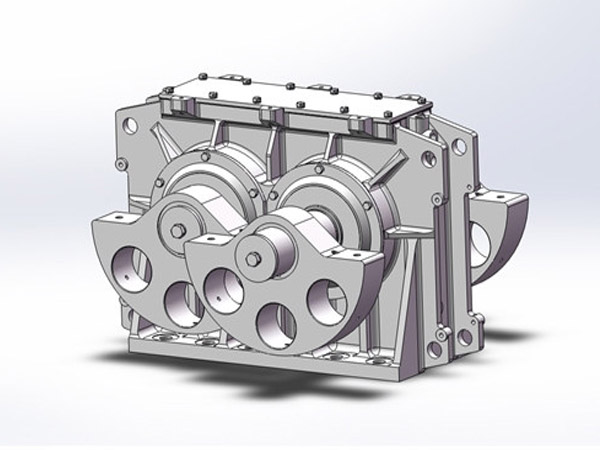
2. Why Do Quotations From Different Suppliers Vary So Much?
The market for vibrator suppliers ranges from small processing plants to large equipment groups. The main reasons for price differences are:
2.1 Differences in Processing Equipment Capabilities
High-end manufacturers use CNC machine tools, gear grinding machines, and dynamic balancing machines.
Smaller factories may still use ordinary milling machines and lathes.
Different processing precision → Significant differences in lifespan and stability.
2.2 Different Material Grades
Seemingly identical products may use completely different grades of steel and bearings.
2.3 Differences in Technical Design Capabilities
Professional manufacturers provide:
Stress analysis (FEA)
Dynamic balancing testing
Noise and energy consumption optimization
These design costs are reflected in the price, but can reduce later maintenance costs.
2.4 Brand Premium and After-Sales Service
International brands are more expensive, but offer more comprehensive services; domestic manufacturers offer better value for money, but service levels vary from factory to factory.
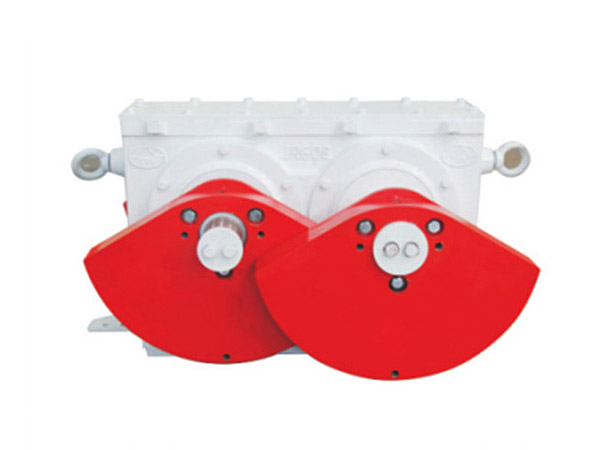
3. How to Request a Professional and Accurate Quotation
To obtain an accurate quote, we recommend providing the supplier with the following information:
✔ Material characteristics (material type, density, humidity)
✔ Processing capacity (production capacity requirements)
✔ Installation space (installation dimensions)
✔ Working environment (high temperature/corrosive/dust)
✔ Frequency and amplitude requirements
✔ Power supply (voltage level)
✔ Special needs (intelligent monitoring, wear-resistant design, etc.)
The more detailed the information, the more accurate the quote will be.
4. Practical Tips for Getting the Best Value
✔ Don’t focus solely on the lowest price.
Vibrators with substandard structures and materials have an extremely high failure rate later on.
✔ Compare internal structures, not just outer appearance.
✔ Ask for real-case applications.
The more successful cases, the more trustworthy the manufacturer.
✔ Evaluate long-term cost, not just initial cost.
Lifespan, maintenance, and spare parts prices all affect the overall investment.
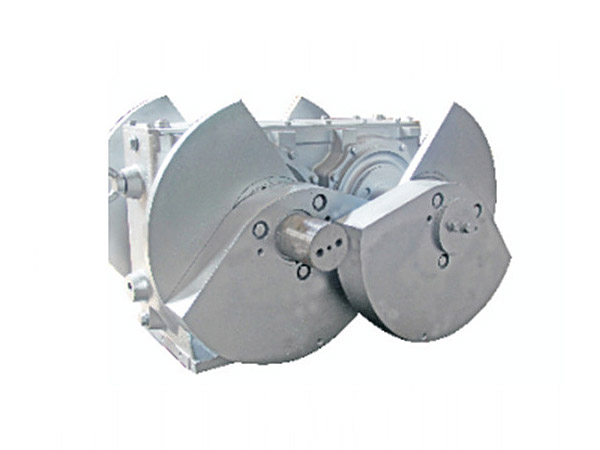
5. Typical Applications of Custom Vibrating Screen Exciters
Suitable for the following industries and processes:
Mining crushing and screening lines
Sand making production lines
Chemical powder classification
Metallurgical sintering material screening
Stone processing plants
Construction solid waste recycling
Grain screening
Different operating conditions determine different configuration requirements and also affect the final price.
6. FAQ: Common Questions About Vibrating Screen Exciter Pricing
Q1: How much more expensive is a custom exciter compared to a standard model?
Typically, 15%–40% more expensive, depending on design complexity.
Q2: What is the typical lifespan of a vibrator?
Mid-range products: 1–3 years
High-end products: 3–8 years (with regular maintenance)
Q3: Is there a significant difference between imported and domestically produced exciters?
Imported products have clear advantages in materials, dynamic balance, and bearing life, but domestically produced mid-to-high-end products offer very high cost-performance.
Q4: Can I customize based on noise or energy consumption?
Yes. Many manufacturers support low-noise, energy-saving customization solutions.
Q5: Does the quote include installation and commissioning?
It varies by manufacturer; generally, it is charged separately, but it can also be included in the overall equipment solution.
Conclusion
The price of a custom vibrating screen exciter is affected by multiple factors, including materials, structural design, power configuration, customization complexity, and after-sales service. Only by fully understanding one’s own operational needs and providing clear information to suppliers can a scientifically sound and reasonable price quote be obtained.
For businesses, choosing an experienced supplier capable of providing customized solutions and excellent after-sales service often brings greater long-term value than simply accepting the “lowest price.”