
Electromagnetic vs. Electromechanical Vibrating Feeder: Which Is Better?
When companies evaluate bulk material handling equipment, they often compare electromagnetic vibrating feeders with electromechanical vibrating feeders. Both technologies play a critical role in industries such as mining, metallurgy, chemical processing, cement production, and recycling. However, the question remains: which type of vibrating feeder is better for your application?
This article provides a practical, experience-driven comparison that helps engineers, procurement managers, and plant operators make informed decisions based on real operational needs rather than generic specifications.
Difference Between Electromagnetic and Electric Vibrating Feeders
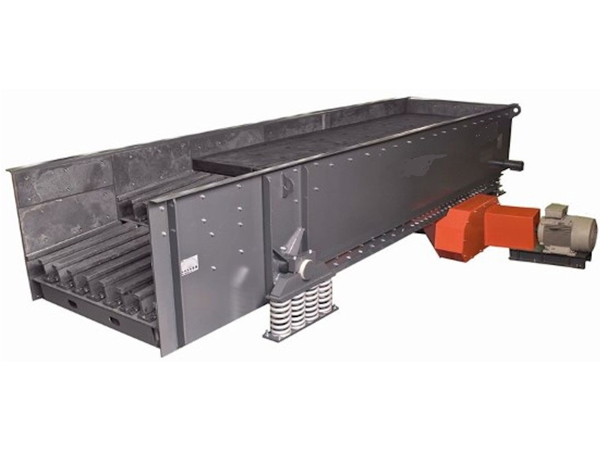
What Is an Electromagnetic Vibrating Feeder?
An electromagnetic vibrating feeder uses electromagnetic force to generate vibration. The system typically includes an electromagnet, armature, and control unit. The feeder vibrates at high frequency with small amplitude, allowing precise control of material flow.
Operators can adjust the feed rate instantly by modifying the electrical input, which makes this system highly responsive and suitable for automated production environments.
What Is an Electromechanical Vibrating Feeder?
An electromechanical vibrating feeder relies on vibration motors (or unbalanced motors) to generate mechanical oscillation. These motors create centrifugal force that drives the feeder tray.
This design produces larger amplitudes and stronger conveying force, which makes it ideal for handling heavy loads and coarse materials in harsh industrial environments.
Key Differences That Impact Performance
1. Feeding Accuracy and Control
Electromagnetic feeders excel in precision. They allow operators to fine-tune the feed rate almost instantly, which makes them highly suitable for processes that require consistent and controlled material dosing.
Electromechanical feeders, on the other hand, provide stable but less precise control. Their adjustment typically involves changing motor speed, angle, or weight configuration, which is less responsive.
Conclusion:
If your process requires high accuracy (e.g., batching, packaging, or dosing), electromagnetic feeders offer a clear advantage.
2. Material Handling Capacity
Electromechanical vibrating feeders outperform electromagnetic models when it comes to heavy-duty applications. They can handle large particle sizes, high throughput, and abrasive materials without compromising performance.
Electromagnetic feeders are better suited for light to medium loads and fine materials.
Conclusion:
For mining, quarrying, or bulk material transport, electromechanical feeders are the more robust choice.
3. Energy Efficiency
Electromagnetic feeders consume less power because they operate with controlled electromagnetic pulses. They also stop instantly when power is cut, reducing unnecessary energy usage.
Electromechanical feeders require continuous motor operation, which results in higher energy consumption over time.
Conclusion:
If energy efficiency and operating cost reduction are priorities, electromagnetic feeders are generally more economical.
4. Maintenance Requirements
Electromagnetic feeders have fewer moving parts, which reduces mechanical wear. However, they rely heavily on electrical components, which require stable voltage and proper control systems.
Electromechanical feeders involve motors, bearings, and mechanical assemblies that are subject to wear and tear. These components require regular lubrication and maintenance.
Conclusion:
Electromagnetic feeders offer lower mechanical maintenance, while electromechanical feeders demand more routine servicing but are often easier to repair in rugged environments.
5. Durability and Working Environment
Electromechanical feeders are designed for tough environments. They perform well under high temperatures, heavy loads, and dusty or wet conditions.
Electromagnetic feeders are more sensitive to environmental factors such as moisture, dust accumulation, and voltage fluctuations.
Conclusion:
For harsh industrial settings, electromechanical feeders provide better long-term durability.
6. Installation and Integration
Electromagnetic feeders are compact and lightweight, which makes them easier to install in confined spaces or integrate into automated systems.
Electromechanical feeders are larger and require more structural support due to their weight and vibration intensity.
Conclusion:
If space-saving and system integration are critical, electromagnetic feeders are more suitable.
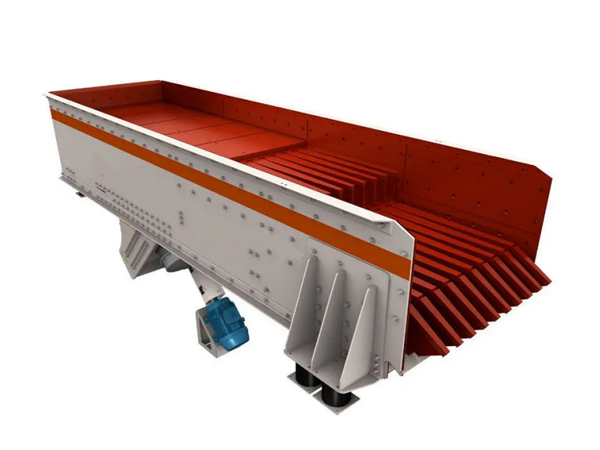
Cost Comparison: Initial vs. Long-Term Value
Electromagnetic feeders typically have a lower initial cost for small-scale applications and offer savings in energy consumption and maintenance over time.
Electromechanical feeders may involve higher upfront investment, especially for large-capacity systems, but they deliver better performance in high-throughput operations, which improves overall productivity.
Insight:
The “better” option depends on whether your priority lies in precision and efficiency or capacity and durability.
Application-Based Recommendations
Choose an Electromagnetic Vibrating Feeder If:
Your process requires precise and adjustable feed rates
You handle fine or powdery materials
Your production line is automated
Energy efficiency is a key concern
Choose an Electromechanical Vibrating Feeder If:
You process heavy, coarse, or abrasive materials
Your operation involves high capacity and continuous feeding
Your working environment is harsh or unstable
You prioritize robustness over precision
Final Verdict: Which Is Better?
There is no universal answer to whether electromagnetic or electromechanical vibrating feeders are better. Each technology serves a different purpose.
Electromagnetic vibrating feeders dominate in precision-controlled applications, while electromechanical vibrating feeders lead in heavy-duty performance.
A well-informed decision should consider material characteristics, production goals, operating environment, and total cost of ownership rather than focusing on a single parameter.
Expert Tip for Buyers
Many companies make the mistake of selecting equipment based solely on price. A more effective approach involves evaluating the entire lifecycle cost, including energy consumption, maintenance frequency, downtime risk, and integration capability.
Working with an experienced manufacturer or engineering team can significantly reduce selection risks and ensure that the feeder matches your exact production requirements.
Conclusion
Both electromagnetic and electromechanical vibrating feeders have proven their value across industries. The key lies in aligning the equipment choice with your operational priorities.
If you need precision, responsiveness, and efficiency, electromagnetic feeders stand out. If your application demands strength, capacity, and durability, electromechanical feeders remain the better investment.
By understanding these differences and applying them to real-world scenarios, businesses can improve productivity, reduce operating costs, and achieve more reliable material handling performance.
If you are planning to upgrade your feeding system or need customized solutions, consulting with industry specialists can help you identify the most cost-effective and technically suitable option for your plant.